Energy certificate for your home: everything you need to know

Whether you are an owner, architect, property professional or bank adviser – everyone knows the energy certificate matters when selling, letting, building new or modernising. It shows how energy-efficient a building is. Just as your car’s consumption says whether you drive an efficient car or a gas guzzler, the energy certificate shows the energy figures for a building: is your house in good shape or does it cost more in energy than it needs to?
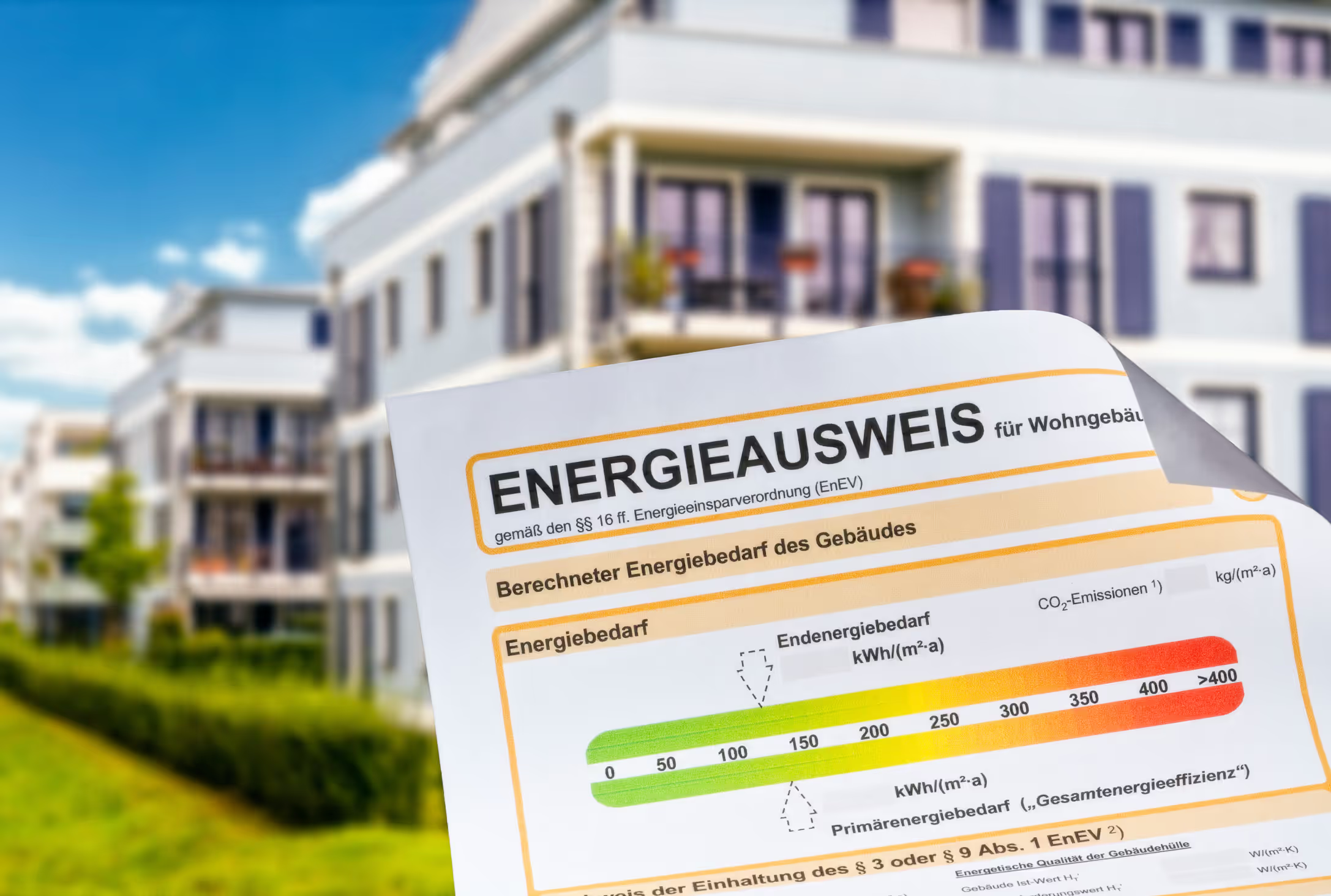
Be honest: Do you know your house’s energy efficiency? If yes, you probably work with the topic. Most owners don’t know their house’s final energy consumption. So here we summarise what you need to know about the energy certificate for residential buildings. You can use it to your advantage and improve your house’s efficiency.
What you need to know
What is an energy certificate?
In short, the energy certificate is a document that assesses a building’s energy performance and classifies its consumption. It rates the building’s energy efficiency. The figures allow comparison with other buildings. The certificate is officially called the building energy certificate but is also known as energy pass or building pass. It contains important information on consumption and possible savings via modernisation recommendations. The five-page document helps buyers and tenants by showing expected energy demand and the building’s environmental impact. The main figure is final energy consumption – comparable to a car’s fuel consumption, but with an important difference: the certificate value is weather-adjusted so that buildings across Germany can be compared. For more detail see our complete guide to understanding the certificate.
When is an energy certificate mandatory?
You need a valid energy certificate when selling or letting a residential building. It must be presented at the viewing. For new builds and substantial modernisation it is also mandatory. Public buildings with significant public access must display it. Exempt are listed buildings, monuments and rarely used buildings such as holiday homes.
Without a valid certificate you may not offer the property for sale or let.
Consumption-based or demand-based: why two types?
There are two types: consumption-based (based on actual consumption over the last three years, weather-adjusted) and demand-based (calculated from the building’s technical properties – envelope, heating, etc.). Which one you need or can choose depends on building age, size and whether consumption data is available. For older small buildings the demand-based certificate is often mandatory; for larger or refurbished buildings you often have a choice. The Energyausweis Smart™ determines the better of both for you so you can present the best efficiency class.
For multi-family buildings, effort and price rise with the number of dwellings and the metering setup — typical ranges and the choice between consumption-based and demand-based certificates are covered in Energy Certificate for Multi-Family Buildings.
Energy efficiency classes: the energy scale
Classes range from A+ (very efficient) to H (least efficient). They give a quick idea of energy quality. The class is derived from the primary or final energy figure. Green (e.g. up to 100 kWh/m²a) means low consumption; red (e.g. from 160 kWh/m²a) means high. A better class improves marketability and can increase value and funding eligibility.
How does the energy certificate affect your house’s value?
A good certificate signals low running costs and often higher comfort – attractive to buyers and tenants. Studies show that poor efficiency can lead to price discounts; a better class can support a higher price. Refurbishment that improves the class often pays off at sale. Banks also use the certificate for financing and may offer better terms for efficient buildings.
Where to apply for the energy certificate
You can get a certificate via an on-site energy consultant or, usually more cheaply and quickly, via a certified online provider such as energyausweis.de. Online you enter the data yourself; a certified consultant checks and issues the certificate. It is legally valid and accepted by authorities and banks. For the documents you need: Documents for the energy certificate.
Required details in property adverts
Under the GEG, certain details from the energy certificate must already be stated when advertising a property – in particular the final energy demand or consumption (in kWh/m²·year) and the efficiency class. Without a valid certificate the property may not be advertised. These details help buyers and tenants assess energy quality and running costs at a glance. Use the certificate to your advantage: a good class is a selling point; if the class is poor, consider targeted modernisation before sale or let.