Energy certificate in Frankfurt: online and faster in the Main metropolis

Frankfurt am Main is Germany’s financial centre. When it comes to the energy certificate, the Main metropolis shows what is possible: a legally valid certificate can be created in just a few minutes via a user-friendly online service.
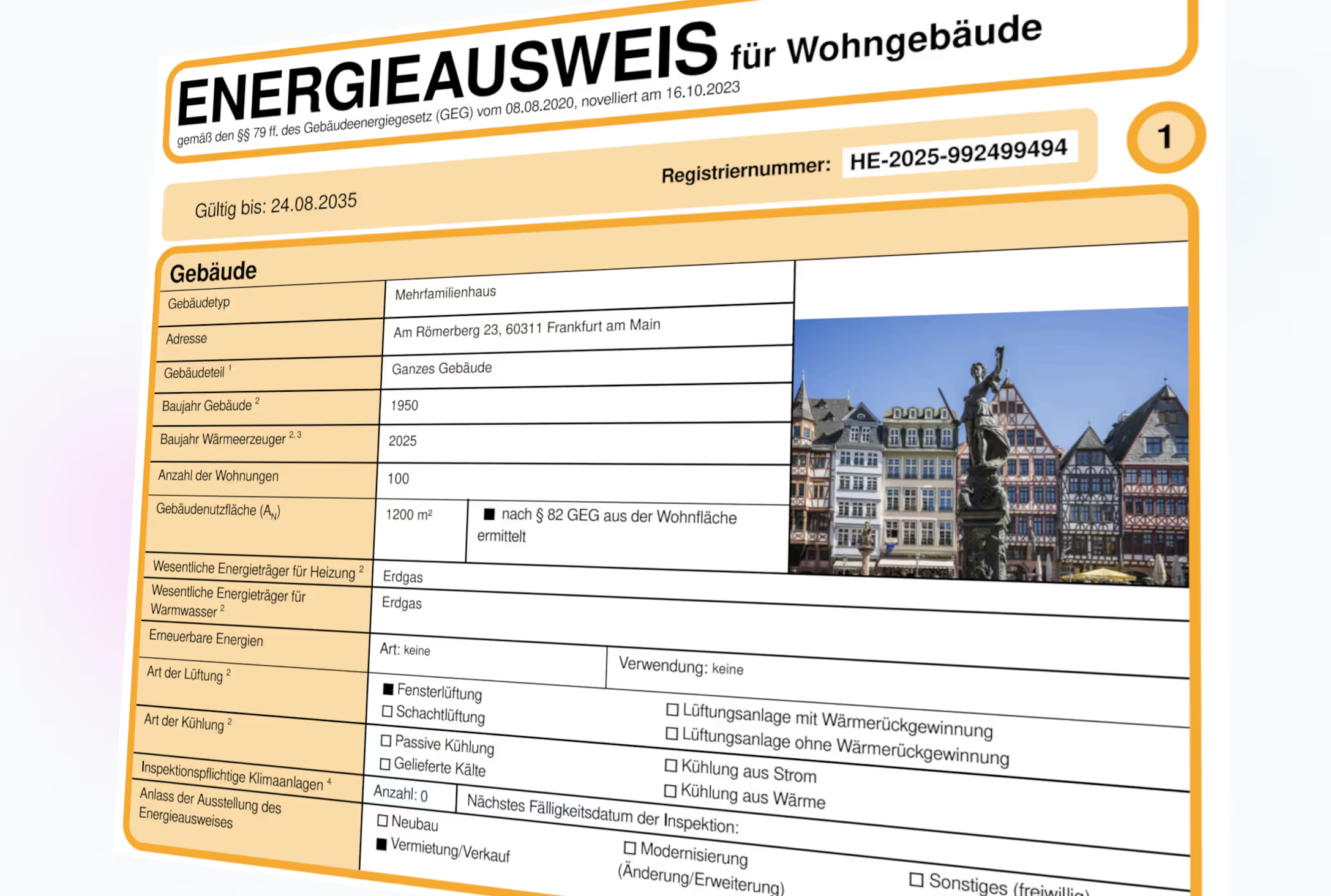
In this article you will learn what owners and agents in Frankfurt need to know: from local specifics and the energy performance of the building stock to funding options.
What you need to know
- … the legal basis for energy certificates in Frankfurt
- … refurbishment status in Frankfurt and its effect on the certificate
- … current figures and trends for energy certificates in Frankfurt
- … which energy sources dominate the Frankfurt property market
- … which energy measures are eligible for funding in Frankfurt
Energy certificate in Frankfurt — legal basis and application
Anyone in Frankfurt who wants to sell or let a flat or house needs a valid energy certificate. It shows the building’s energy performance and is required by law.
Who needs an energy certificate?
An energy certificate is mandatory for all owners in Frankfurt when selling, letting or leasing a residential building. The legal basis is the Building Energy Act (GEG). Depending on building type and year of construction, either a consumption-based or demand-based certificate may be required.
What is in the certificate?
The certificate contains details on the building’s energy performance: efficiency class, final energy demand or consumption, main energy source and possible modernisation recommendations. This is relevant for valuation and property financing.
When is which certificate required?
In Frankfurt, as everywhere in Germany: for residential buildings with up to four units built before 1978 and not energetically refurbished, a demand-based certificate is mandatory. In all other cases a consumption-based certificate may suffice if there are adequate heating data for the last three years.
Refurbishment status and energy certificates in Frankfurt
Frankfurt’s building stock is a mix of older buildings, post-war architecture and modern housing. Many houses date from before 1978 — before the first thermal insulation regulation. These often have high energy use, reflected in poor efficiency classes on the certificate. Properties with low energy standards are harder to market as buyers and tenants care more about low heating costs and sustainability. Energy refurbishment directly improves the demand-based certificate; in a competitive market like Frankfurt that can be a decisive advantage.
Energy certificates for residential buildings in Frankfurt: current figures and trends 2025
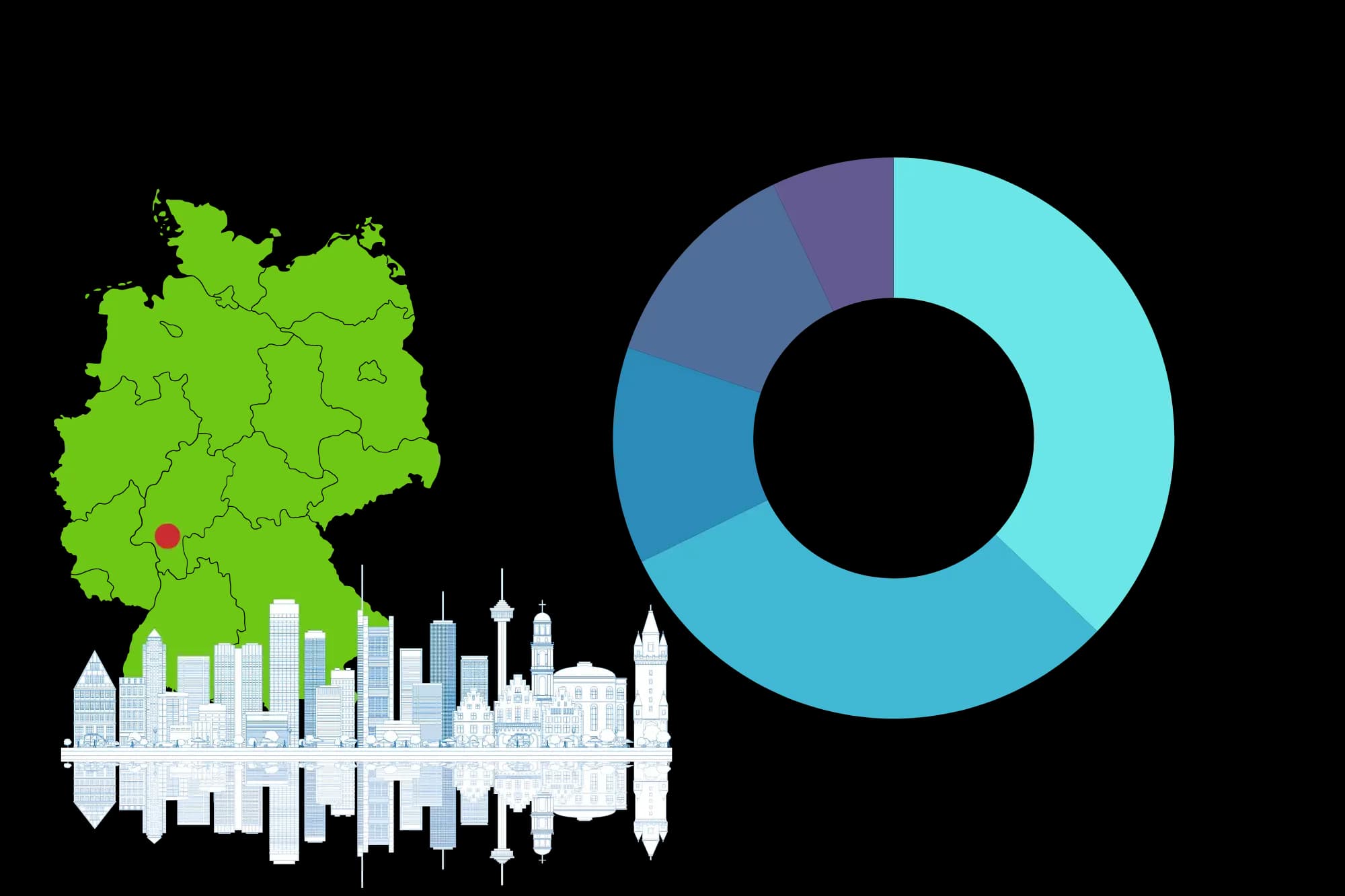
The energy situation of Frankfurt’s residential buildings shows a clear need for action. Around two thirds of all residential buildings in Frankfurt were built before 1970, many without energy refurbishment. So a large share of the stock does not meet current efficiency standards, which shows up in poor energy values. The certificate gives a transparent overview and is an important tool for planning and communicating refurbishment. Newer buildings increasingly use district heating and renewables, though renewables are still at a low level.
Order an energy certificate in Frankfurt online
If you need a certificate in Frankfurt — for sale, letting or for the bank — you can apply online. With the digital service from energyausweis.de you receive a legally valid certificate within a few hours, checked by certified experts, with all mandatory details and including an agent overview. No on-site visit or long waits. You provide the building data and we handle the rest. Suitable for both older and new buildings in Frankfurt.
Create your energy certificate online now.
Energy sources in Frankfurt: which dominate the property market 2025?
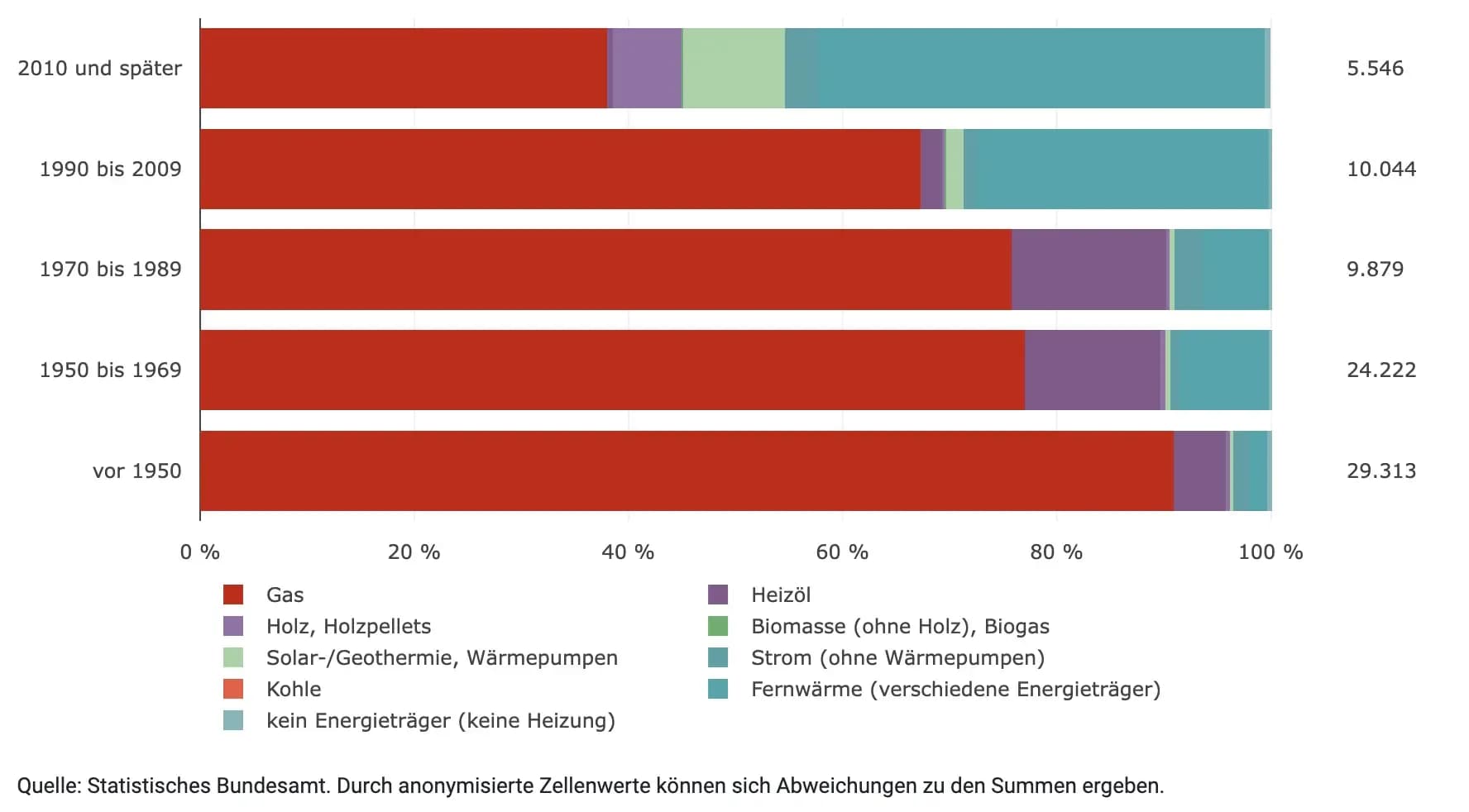
Gas remains the main energy source: around 78% of residential buildings are heated with it. District heating is growing, especially in new builds (over 40%). Heating oil is declining; heat pumps and solar thermal are catching up, especially in buildings from 2010. The energy mix in Frankfurt is becoming more diverse — with effects on efficiency and the certificate.
Top energy measures for Frankfurt properties: maximum efficiency, minimum cost
Many Frankfurt properties, especially from the pre-war and 1950s–70s period, offer huge refurbishment potential. To cut energy costs and improve the efficiency class in the energy certificate, a targeted mix of measures pays off. Funding, higher property values and lower operating costs often repay the investment within a few years. Most effective: roof, facade and basement ceiling insulation; modern windows; new heating (heat pump or gas condensing with solar thermal); hydraulic balancing; digital heating control; PV installation. See also heat pumps and the energy certificate.
Solar energy in Frankfurt: potential, sunshine hours and effect on the certificate
Frankfurt has around 1,600 to 2,000 hours of sunshine per year — notable nationally. PV and solar thermal cut electricity or hot water costs and improve primary energy figures in the demand-based certificate, which can raise the efficiency class.
Energy refurbishment in Frankfurt: grants and loans overview
KfW offers low-interest loans and grants for insulation, new heating or window replacement. The state of Hesse (WIBank) adds further options. Local Frankfurt programmes support climate-friendly measures. An energy consultant can help combine the right funding. For other cities: Berlin, Hamburg, Munich.